
Team building agile rests on three structural pillars: stable, long-lived teams; a cross-functional, multidisciplinary structure; and T-shaped profiles (profils en T) that let a group define, build, t…
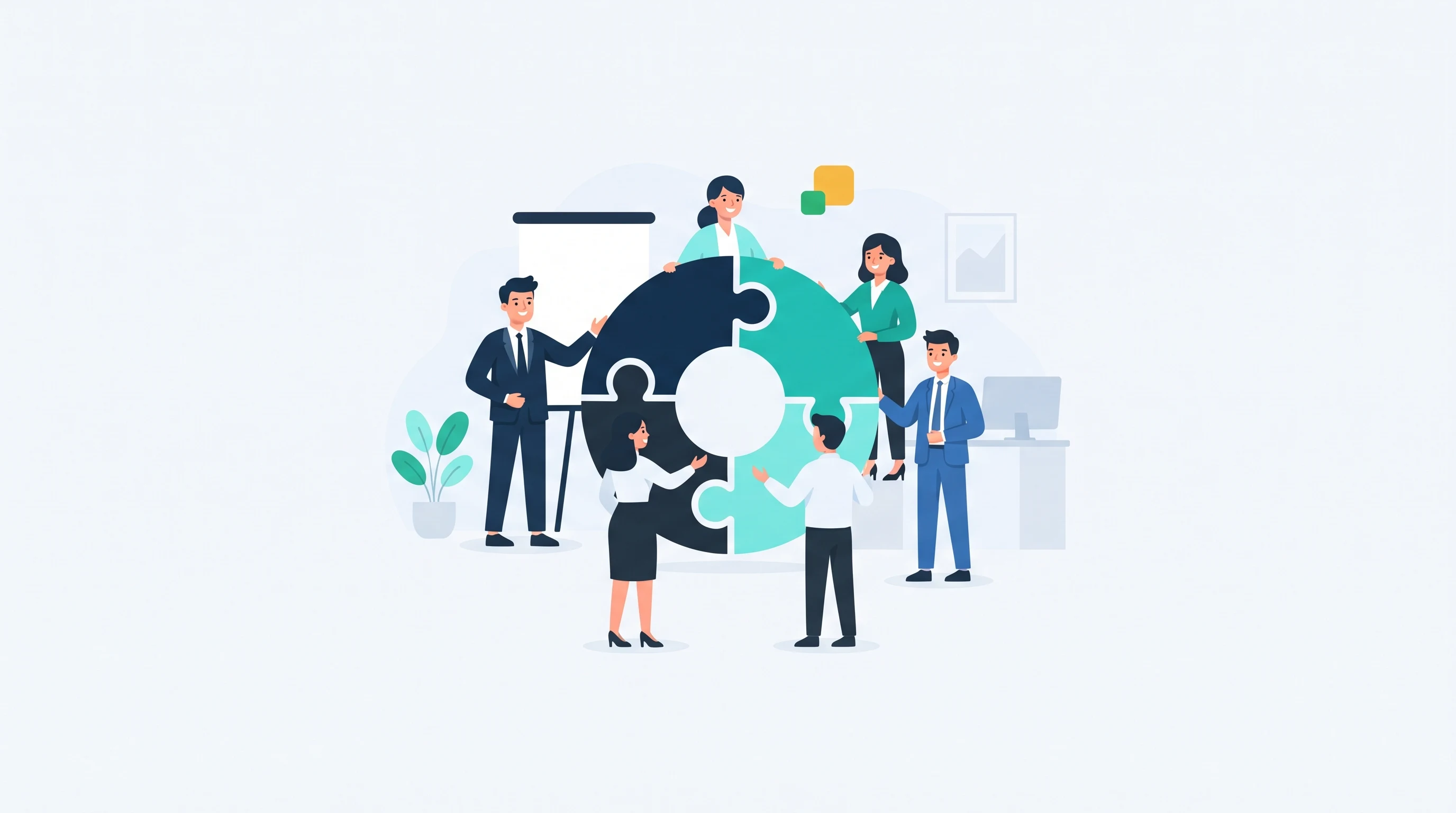
Team building agile rests on three structural pillars: stable, long-lived teams; a cross-functional, multidisciplinary structure; and T-shaped profiles (profils en T) that let a group define, build, test, and deliver value without handoffs. In Agile and Scrum, these traits form the operational foundation that allows a team of 5–11 members to manage its own work, shorten feedback cycles in small batches, and ship increments continuously.
In Short
What Makes an Agile Team Effective
Stable, Long-Lived Teams Reduce Overhead
Agile teams perform best when they are persistent and dedicated to a single mission. Dedication reduces the overhead of multitasking and provides the single-minded purpose required to achieve the team’s goals. According to established agile guidance, team makeup is “more dynamic than static—static enough to ‘norm, storm, and perform’ for reasonable periods of time and dynamic enough to flex to the organization’s changing priorities.” Keeping the core group intact allows tacit knowledge, trust, and working agreements to compound from one iteration to the next. Stability does not mean rigidity; it means changes are deliberate responses to the program backlog rather than routine staffing churn.Cross-Functional, Multidisciplinary Structure
An agile team is a cross-functional group of individuals who can define, build, test, and deliver an increment of value in a short timebox. Whether the domain is software, hardware, business, operations, or support, the team must own the full value stream and not rely on external gates to release work. This autonomy directly increases productivity and reduces time to market. Because the team commits to small batches, it can shorten feedback cycles and adjust to changing needs without cascading delays across the organization.T-Shaped Profiles (Profils en T) Enable Flow
T-shaped profiles are the human engine inside the cross-functional machine. A T-shaped professional has deep expertise in one discipline (the vertical bar of the “T”) and enough breadth across adjacent areas (the horizontal bar) to pair, review, or unblock colleagues. In a team of 5–11, relying only on specialists creates queues whenever one person is overloaded; relying only on generalists erodes technical excellence. T-shaped skills balance the two, supporting relentless improvement and continuous flow without sacrificing built-in quality.Clear Roles: Product Owner and Scrum Master
High-performing teams are anchored by two specialty roles that protect focus and foster accountability:These roles exist to guide and protect the team’s process, not to override its self-organizing authority.
Why Stability, Cross-Functionality, and T-Shaped Skills Matter
When agile teams are stable and cross-functional, the organization gains measurable leverage. Because the team has the authority and accountability to manage its own work, productivity rises and time to market falls. Small batches of work shorten feedback cycles, allowing the team to adjust to changing needs without cascading delays.
T-shaped profiles amplify this by reducing idle time. If the only tester is overwhelmed, a T-shaped developer can step in; if the only backend specialist is stuck, a colleague with a broad horizontal bar can pair to unblock the flow. This internal resilience means the team does not need to escalate or wait for external resources.
Built-in quality is the third pillar. Every agile team must apply practices that create high-quality, well-designed solutions. Cross-functionality ensures that testing, security, and design are not afterthoughts handled by another department; they are part of the increment from day one. Stability ensures those quality practices mature over time rather than being reinvented with every staff change.
Stable Teams, Pods, and Dynamic Reorganization
In larger enterprises, agile teams rarely operate alone. They work within “pods” or Agile Release Trains (ARTs)—long-lived teams of agile teams that share a vision and direction. A pod typically contains three to ten teams cooperating to build a larger feature, system, or subsystem.
While stability is the default, teams are self-organizing and may reorganize when necessary based on the work in the program backlog. The following table contrasts the stable baseline with legitimate exceptions:
| Aspect | Stable, Long-Lived Team | Dynamic Reorganization |
|---|---|---|
| Primary driver | Persistent product or platform ownership | Shift in program backlog or architectural priority |
| Team size | 5–11 members, dedicated to one team | May adjust as pods form around large initiatives |
| Knowledge retention | High; tacit knowledge compounds sprint after sprint | Moderate; requires deliberate handoffs |
| Performance phase | Moves through norm, storm, perform over time | Can reset team development cycles |
| Multitasking risk | Low; single-minded purpose | Higher if members are split across new formations |
| Best for | Continuous value delivery, user-facing features | New subsystems, cross-cutting architectural components |
How to Build and Assess Your Agile Team in Practice
Key Takeaways
Frequently Asked Questions
What is a T-shaped profile in agile?
A T-shaped profile (profil en T) describes a team member who possesses deep expertise in one specialty and broad skills across several adjacent areas. This combination prevents bottlenecks, improves pair collaboration, and keeps value flowing without requiring external handoffs.How big should an agile team be?
Agile teams are most effective with 5–11 members, a range consistent with the classic 7±2 guidance. This size balances diversity of skills with low communication overhead.What does cross-functional mean in Scrum and SAFe?
Cross-functional means the team includes all competencies needed to define, build, test, and deliver an increment of value in a short timebox. The team does not rely on external groups to finish its work.Should agile teams stay stable forever?
No. Teams should be static enough to norm, storm, and perform for reasonable periods, but dynamic enough to reorganize when the program backlog or architectural priorities require it. Stability is the default; change is the exception.Why is multitasking across multiple teams harmful?
When a team member is split across several initiatives, context switching increases overhead and reduces single-minded purpose. Agile frameworks emphasize dedication to one team to protect flow and accountability.What is the difference between a team backlog and a program backlog?
The team backlog contains user and enabler stories the agile team will execute in upcoming iterations, prioritized by the Product Owner. The program backlog sits at a higher level, feeding larger features, systems, or subsystems into pods of agile teams that cooperate to deliver integrated solutions.Conclusion
Stable, cross-functional teams built around T-shaped profiles are the engine of any serious agile operation. By keeping teams appropriately sized, dedicated, and empowered to self-organize, you create the conditions for continuous delivery and relentless improvement. If you are unsure where your teams stand today, take MaturaScore's free maturity diagnostic to assess your current state and receive an AI-assisted, human-validated action plan for the next steps.