
PRINCE2 Foundation and Practitioner certifications validate your knowledge and application of the PRINCE2 method, a structured yet flexible framework for delivering successful projects across any indu…
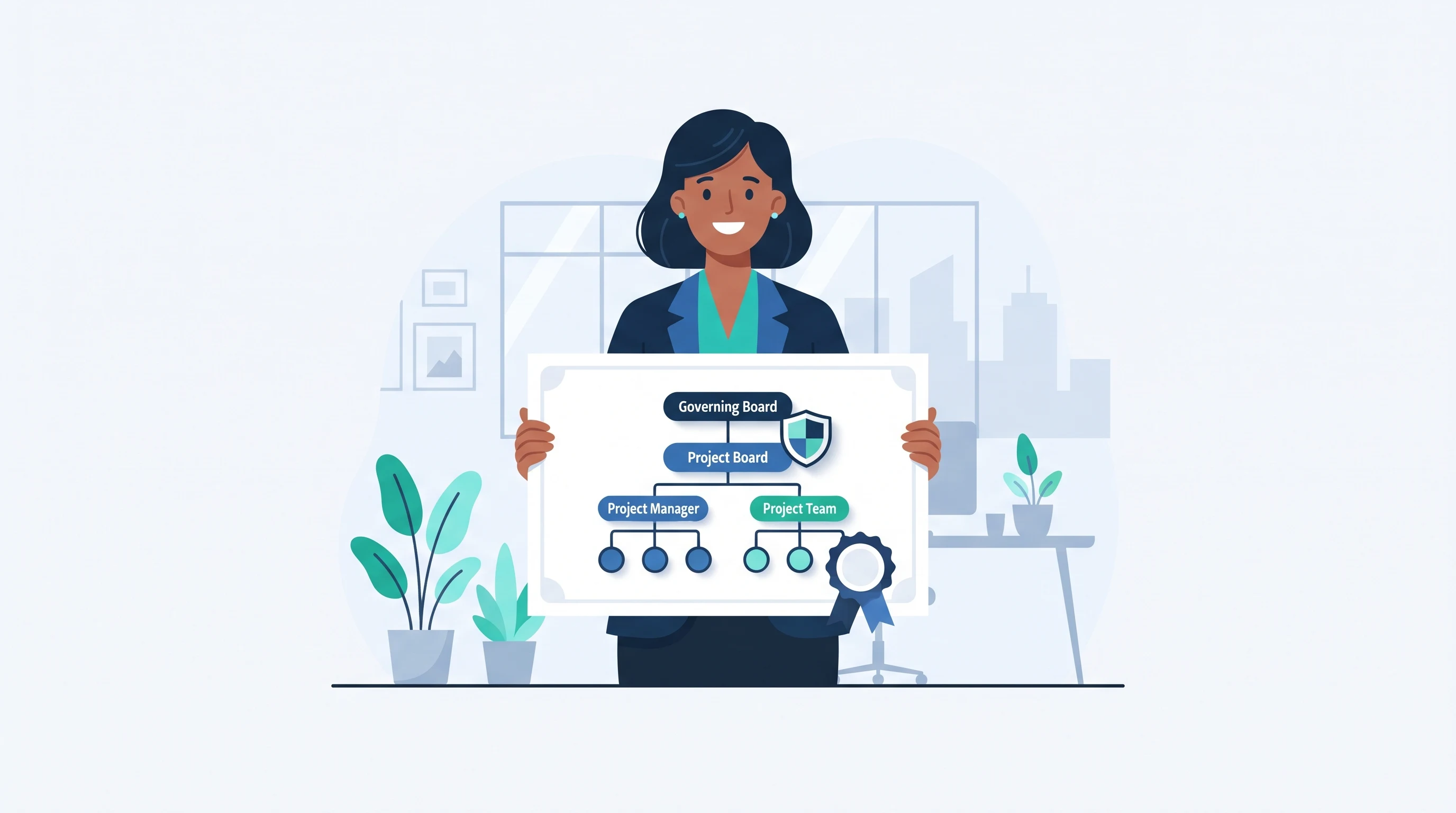
PRINCE2 Foundation and Practitioner certifications validate your knowledge and application of the PRINCE2 method, a structured yet flexible framework for delivering successful projects across any industry, scale or culture. Foundation confirms that you understand the method’s core principles, themes, processes and project environment, while Practitioner demonstrates your ability to apply and tailor that knowledge to live projects without adding unnecessary bureaucracy. Grounded in AXELOS’s Managing Successful Projects with PRINCE2, both levels provide a proven, principle-based standard that organizations use to improve capability in business change, IT, construction, research and product development.
In Short
What PRINCE2 Foundation and Practitioner Certifications Are
The PRINCE2 certification scheme is built directly on the guidance in Managing Successful Projects with PRINCE2. It offers two progressive levels that reflect how deeply a professional interacts with the method.
PRINCE2 Foundation
Foundation is the entry-level credential. It is intended for anyone who will work on a PRINCE2 project, from entry-level project management personnel to experienced managers who are new to the method. At this level, the certification confirms that you understand the method’s terminology, the seven principles, and the four integrated elements: principles, themes, processes and the project environment. You learn what has to be done rather than exactly how to do it, giving you the shared language to operate within a PRINCE2 team.PRINCE2 Practitioner
Practitioner is the advanced credential. It is designed for experienced project managers and anyone who wishes to demonstrate that they can shape how a project is managed. This level moves beyond recall. It requires you to interpret the method and make informed decisions about tailoring the themes and processes to a given project scenario. Because PRINCE2 is principle-based rather than prescriptive, Practitioner-level competency centers on adapting the method to an organization’s specific needs while still satisfying the minimum requirements that define what has to be done.Why Organizations Value These Credentials
Organizations adopt PRINCE2 as a standard because it is generic and based on proven principles. When used across multiple areas of business activity—such as mergers and acquisitions, product development, or IT transformation—it can substantially improve organizational capability and maturity. The certifications signal that a professional understands this universal language and can apply it consistently, whether the project is small and local or large and international.The Integrated Structure Behind the Certifications
The PRINCE2 method addresses project management with four integrated elements: principles, themes, processes and the project environment. These elements form the body of knowledge that both Foundation and Practitioner cover, though at different depths.
The Seven PRINCE2 Principles
To be following PRINCE2, these principles must be adopted. They are universal, self-validating, and empowering because they give practitioners added confidence and ability to influence and shape how the project will be managed. The seven principles are:These principles were developed from lessons taken from both successful and failed projects. Minimum requirements set out in the themes and processes chapters must also be satisfied to be following the method.
Themes, Processes and the Project Environment
While principles provide the guiding obligations, themes address the aspects of project management that must be applied continuously—such as business case, organization, quality, plans, risk, change and progress. Processes describe the step-by-step lifecycle from starting up a project to closing it. The project environment element ensures that all of this is adjusted to the organization’s context. The certifications test your grasp of how these pieces fit together.Foundation vs. Practitioner: At a Glance
| Aspect | PRINCE2 Foundation | PRINCE2 Practitioner |
|---|---|---|
| Core Focus | Knowledge, terminology and recall of the method | Application, analysis and tailoring to project scenarios |
| Target Audience | Entry-level staff and those new to PRINCE2 | Experienced project managers and Foundation holders |
| Depth of Method | Understand the four integrated elements and minimum requirements | Adapt themes and processes to suit the project environment |
| Prerequisites | None | PRINCE2 Foundation or an approved equivalent |
| Key Outcome | Ability to work within a PRINCE2 project team | Ability to lead and influence how the project is managed |
| Bureaucracy Risk | Learns the standard framework | Learns to scale the framework to avoid unnecessary burden |
Earning the credential is only the first step. The real value comes from embedding the method into how your organization delivers change. Follow these steps to move from certified knowledge to practical impact.
1. Assess your project environment before tailoring. Before applying any PRINCE2 theme or process, examine your project’s scale, organization, geography and culture. The method is designed to be applied to any type of project, but it only works when you tailor it deliberately. A lightweight software rollout does not need the same governance overhead as a multinational construction program.
2. Master Foundation as a shared language. If you are new to the method, begin with Foundation to internalize the terminology and the seven principles. Use the manual as a detailed reference source. When your entire team shares this vocabulary—business justification, management by exception, product descriptions—communication becomes faster and accountability clearer.
3. Progress to Practitioner to shape project governance. Once you hold Foundation, move to Practitioner to demonstrate that you can make judgment calls about what to scale up or down. This level empowers you to influence and shape how the project will be managed. You decide which management products are essential, how many stages are appropriate, and how tolerances should be set.
4. Adopt the principles as non-negotiables. Whatever the project type, the seven principles must be adopted. Continually verify business justification. Keep a lessons log from day one. Define roles explicitly so that decisions do not stall. Manage by stages so that the board reviews progress at logical breakpoints. These habits distinguish a PRINCE2 project from an unstructured one.
5. Tailor to avoid bureaucracy. PRINCE2 is designed to contribute to the success of a project without burdening it with bureaucracy. If a process or management product adds no value in your context, reduce or combine it. The themes and processes describe what should be done but, in general, not how. Use this freedom to keep governance lean and focused on delivering products that meet quality expectations.
Key Takeaways
Frequently Asked Questions
What is the main difference between PRINCE2 Foundation and Practitioner?
PRINCE2 Foundation certifies that you understand the method’s principles, themes, processes and project environment. Practitioner certifies that you can apply and tailor that knowledge to manage a live project. Foundation tests what you know; Practitioner tests how you use it.Can PRINCE2 be used with Agile project management?
Yes. The latest evolution of PRINCE2 has been developed to reflect real-life experiences and provides practical guidance for managing projects in a wide variety of environments, including those using agile approaches. You can tailor the method’s stages, roles and controls to support iterative delivery.Is PRINCE2 only for large or government projects?
No. PRINCE2 is designed so that it can be applied to any type of project, taking account of its scale, organization, geography and culture. It is used in private-sector IT, construction, research, product development and mergers and acquisitions, not only in public-sector programs.Do I need project management experience to start with PRINCE2 Foundation?
No. The manual is designed for entry-level project management personnel wishing to learn about project management generally and PRINCE2 in particular, as well as for experienced project managers. Foundation has no prerequisites and serves as an accessible starting point.What does “tailor to suit the project” actually mean?
Tailoring means adjusting the method’s themes, processes and management products to fit the project’s specific context without removing essential governance. Because PRINCE2 describes what should be done but not generally how, you can scale the method up or down to avoid burdening the project with bureaucracy.What does it mean for a project to be “following PRINCE2”?
To be following PRINCE2, a project must adopt the seven principles and satisfy the minimum requirements set out in the themes and processes. Users then have freedom to tailor the method to their needs, provided these core obligations remain in place.Conclusion
PRINCE2 Foundation and Practitioner certifications give project professionals a proven, adaptable framework for delivering change across any industry or project scale. By grounding your work in the seven principles and tailoring the method to your environment, you can improve organizational capability without drowning teams in bureaucracy. If you are unsure where your current project management practices stand, take MaturaScore’s free maturity diagnostic to assess your position and receive an AI-assisted, human-validated action plan for moving forward.