
Customer value in business agility is the continuous delivery of outcomes that solve real customer problems, not the volume of features shipped. It is created through relentless customer centricity an…
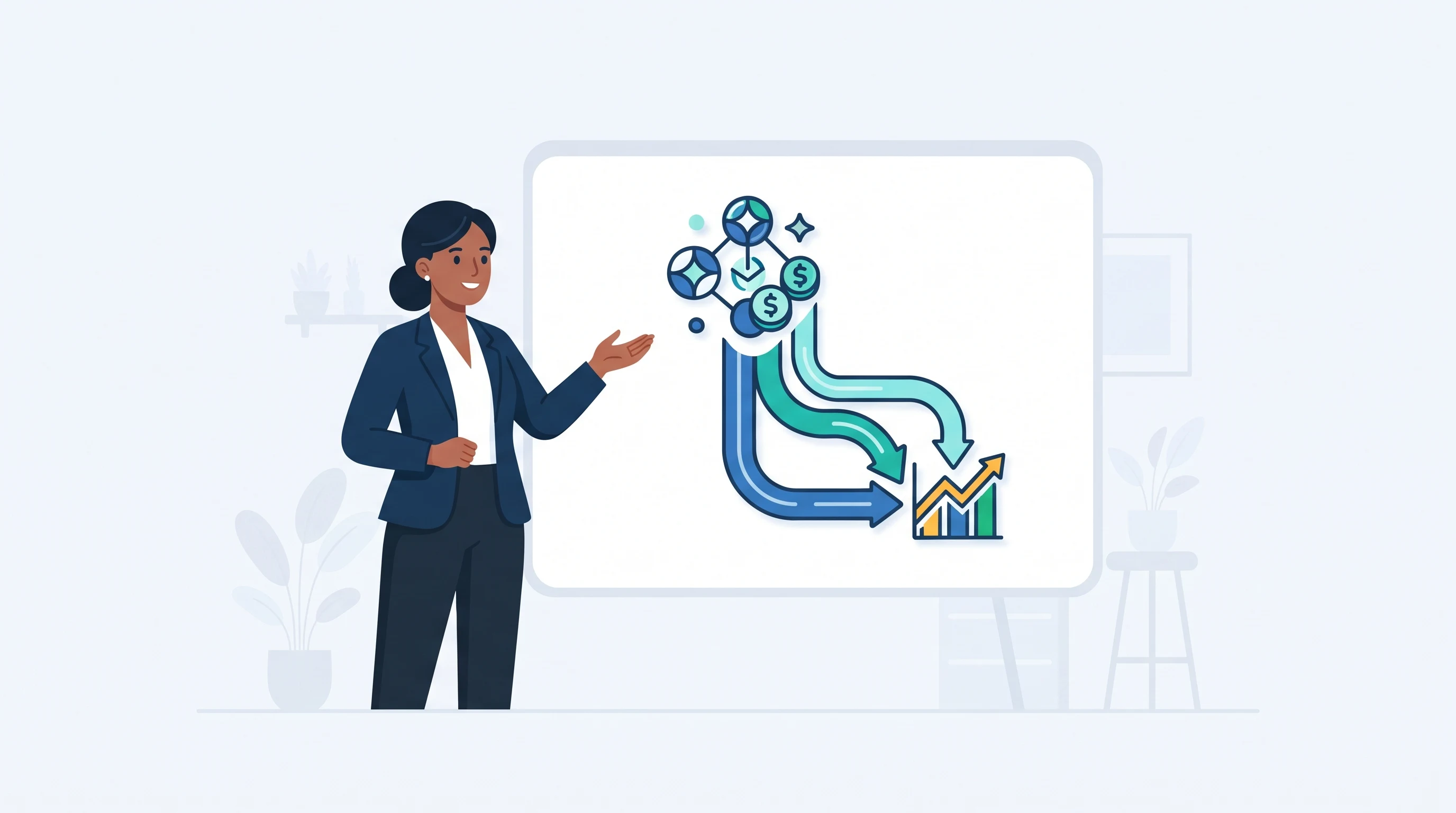
Customer value in business agility is the continuous delivery of outcomes that solve real customer problems, not the volume of features shipped. It is created through relentless customer centricity and rapid value loops—tight cycles of learning, building, and validating—that keep teams aligned with what customers actually need. When organizations escape the build trap and empower teams to own outcome-based measures, they shift from counting outputs to generating genuine customer and business impact.
In Short
What Customer Value and Value Loops Really Mean in Agile Organizations
Value is not an abstract financial figure on a spreadsheet. It is the measurable improvement in a customer’s world when a problem is solved or an opportunity is seized. In business agility, value loops are the engine that turns understanding into impact.
Value Is Defined by the Beholder
Ultimately, value is in the eye of the beholder: the customer. This is why direct collaboration is essential—teams must understand what functionality is valuable, what the customer expects to achieve, and how things will work better with the solution than without it. That understanding conveys urgency and priority, and it better informs the development team how to implement functionality that genuinely resonates with users.
Escaping the Build Trap
When companies do not understand their customers’ problems well, they cannot define value for them. Instead of doing the work to learn, they create a proxy that is easy to measure: “value” becomes the quantity of features delivered. Developers are rewarded for writing tons of functional code, designers for pixel-perfect designs, and product managers for extensive backlogs or long specification documents. These proxies drive a build trap where activity masquerades as progress while real customer outcomes remain unmet.
Closing the Loop
A value loop moves a team from assumption to evidence. It starts with a clear hypothesis about a customer need, delivers the smallest viable test, measures against an owned outcome, and feeds learning back into the next cycle. Whether you organize work around user needs—as user experience professionals often do—or around broader Value Areas, the goal is the same: well-formed teams with a well-reasoned scope of responsibilities that map directly to customer impact.
Why Customer Centricity Is the Engine of Business Agility
Customer-centricity puts the customer first, at the core of the enterprise, to provide positive customer experiences and to build long-term relationships. As a result, customer-centric businesses typically increase employee engagement and more thoroughly satisfy customer needs.
Embedding Design Thinking
Teams apply design thinking to ensure products and services are desired by customers and users while confirming that the solution is feasible, economically viable, and sustainable throughout its lifecycle. Whenever a customer-centric enterprise makes a decision, it deeply considers the effect it will have on end users. This thinking motivates teams to focus relentlessly on the customer rather than on internal convenience or legacy processes.
Owned Measures Over Assigned Tasks
Another way to engage a team and align it with delivering business value is to let it own a key measure that influences business performance, and set goals accordingly. Example measures include an app store rating, a net promoter score, or some measure of customer retention like repeat sales, frequency of app usage, or follow-on sales within a particular time period. Giving teams something they can own and improve helps them stay focused and motivated. This ownership transforms the conversation from “Did we ship it?” to “Did we move the metric that matters?”
Customer-Centric Teams vs. Output-Driven Teams
| Dimension | Output-Driven Team (Build Trap) | Customer-Centric Value Loop |
|---|---|---|
| Definition of success | Features shipped, backlog cleared | Customer outcomes achieved and owned business metrics improved |
| Team motivation | Code volume, pixel perfection, long specs | Influence on NPS, retention, app ratings, or repeat usage |
| Decision driver | Internal roadmap and assumptions | Direct customer collaboration and validated learning |
| Risk profile | High—building the wrong thing efficiently | Lower—continuous evidence and ability to pivot |
| Scope definition | Extensive requirements documents or backlogs | Value areas or user need domains that map to real impact |
Key Takeaways
Frequently Asked Questions
What is the difference between customer value and business value in agile?
Customer value is the benefit the user perceives when a problem is solved; business value is the organizational benefit that results. In healthy business agility, the two are tightly linked—positive customer experiences drive retention, revenue, and long-term relationships.
How do value loops prevent the build trap?
Value loops replace the assumption that more features equal more value with a cycle of hypothesis, delivery, measurement, and learning. By forcing teams to validate that a customer outcome was actually achieved, they stop rewarding output volume for its own sake.
What are examples of customer-centric metrics agile teams should own?
Effective owned measures include net promoter score, app store rating, customer retention metrics such as repeat sales or frequency of app usage, and follow-on sales within a specific time period. These connect daily work directly to customer behavior.
Is customer centricity compatible with scaling frameworks like SAFe or Nexus?
Yes. Both scaling approaches emphasize aligning teams around customer needs. Nexus uses value areas or user needs to scope well-formed teams, while SAFe embeds design thinking and customer-centric decision-making at the enterprise core.
How does design thinking support customer value creation?
Design thinking ensures teams explore desirability from the customer’s point of view before committing to solutions. It balances user desire with technical feasibility and economic viability, preventing investments in products customers do not actually want.
What is the first step to becoming a customer-centric agile organization?
Stop measuring teams by output proxies such as story points or features shipped. Give them a customer problem to solve and an outcome metric to own, then let them collaborate directly with users to discover the best path forward.
Conclusion
Shifting to customer value and value loops is not a methodology change—it is a mindset shift from delivering more to delivering what matters. Start by giving your teams an outcome to own and a customer problem to solve. If you want to know where your organization stands today, take MaturaScore’s free maturity diagnostic to assess your business agility and receive an AI-assisted, human-validated action plan.