
Strategic alignment in SAFe is the continuous process of connecting enterprise strategy to delivery through Lean Portfolio Management, strategic themes, and a regular Program Increment cadence. It ens…
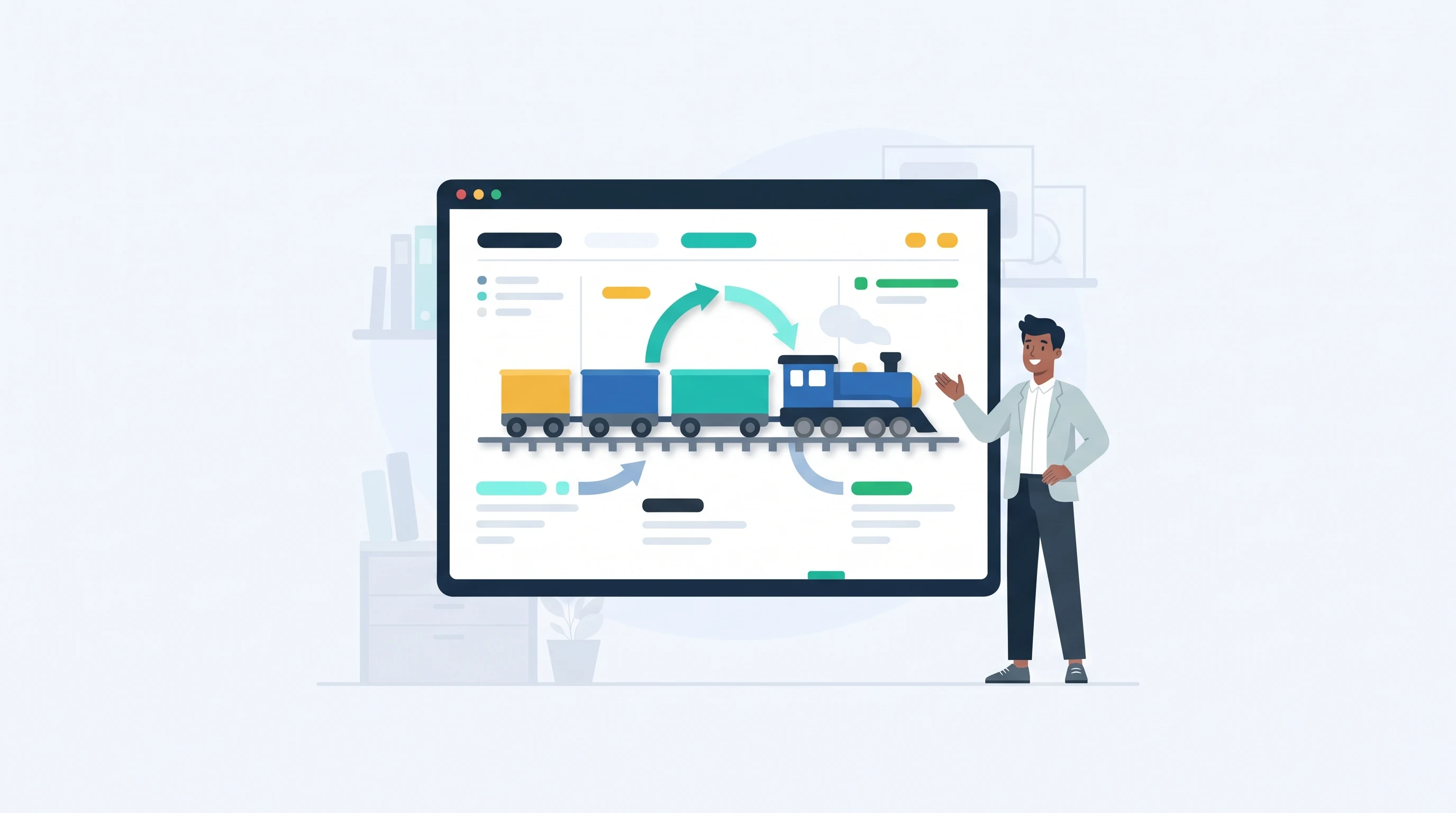
Strategic alignment in SAFe is the continuous process of connecting enterprise strategy to delivery through Lean Portfolio Management, strategic themes, and a regular Program Increment cadence. It ensures that every Agile Release Train (ART) and value stream translates portfolio vision into measurable PI objectives backed by funded investment initiatives. When these four elements—strategic themes, budgets, vision, and PI cadence—are synchronized, the organization replaces project-based constraints with a flow-based execution model that delivers consistent business benefits.
In Short
What SAFe Strategic Alignment Really Means
Strategic alignment in the Scaled Agile Framework is not a one-time annual planning event. It is a persistent, bidirectional flow of intent from the portfolio to the agile teams and feedback from execution back to strategy. At the portfolio level, Lean Portfolio Management (LPM) provides the governance and funding model. Strategy and investment funding in SAFe explicitly moves away from project-based constraints and project cost accounting toward a leaner, capacity-oriented approach.
The mechanism that translates high-level business strategy into actionable work is the strategic theme. As described in SAFe 4.5 Distilled, strategic themes help simplify and amplify the communication of the portfolio’s strategy to the value streams and ARTs. They are not detailed requirements; they are lenses that filter and prioritize the portfolio backlog. This ensures that every ART’s PI objectives and every team’s iteration goals trace back to a common strategic intent.
Vision provides the longer-term direction. Portfolio vision describes the future state the enterprise is moving toward, while solution intent captures the technical and functional knowledge of the systems being built. Together, they give teams the context to make local decisions that remain globally coherent. Finally, the Program Increment cadence institutionalizes this alignment by creating a fixed rhythm—typically eight to twelve weeks—during which strategy is planned, executed, demonstrated, and inspected.
The Four Pillars That Connect Strategy to Delivery
To understand how alignment is maintained, it helps to break it into four interacting pillars.
Strategic Themes: The Translation Layer
Strategic themes are high-level, portfolio-level statements that articulate the business strategy. They bridge the gap between abstract boardroom goals and the concrete backlogs of agile teams. According to SAFe guidance, they exist because “the way to get strategy executed is not by telling people what to do. It’s by sharing the strategy in a way that everyone can understand and buy into it, and see how their jobs relate to it.” Themes make it possible for hundreds or thousands of practitioners to evaluate whether a feature, epic, or enabler supports the current strategic direction.
Lean Budgets and Investment Funding
Traditional project portfolio management relies on project cost accounting and project-based constraints, locking funding to fixed scope and schedule. SAFe replaces this with strategy and investment funding managed through LPM. Budgets are allocated to value streams and ARTs based on strategic priority and capacity, not on speculative multi-year project plans. This allows the portfolio to pivot when market conditions change without the drag of renegotiating individual project budgets.
Portfolio and Solution Vision
Vision in SAFe operates at multiple levels. The portfolio vision paints the target future state for the business. Solution intent and the architectural runway provide the technical vision, ensuring that the systems being built can evolve. This layered vision gives teams the “what” and the “why” while leaving the “how” to those closest to the work. It is the essential counterbalance to theme-driven prioritization: themes tell us where to invest; vision tells us what the destination looks like.
Program Increment Cadence
The PI is the heartbeat of SAFe. Through PI Planning, teams commit to a set of PI objectives that align with the current strategic themes and vision. During the increment, system demos provide evidence of progress, while the Program Predictability Measure and Inspect and Adapt (I&A) events create accountability and learning loops. The cadence forces a regular re-alignment: every PI is an opportunity to adapt the backlog, re-evaluate funding, and re-communicate strategic priorities.
| Pillar | Purpose | Key Artifact / Event | Owner |
|---|---|---|---|
| Strategic Themes | Translate business strategy into portfolio priorities | Strategic Themes document | LPM / Executives |
| Lean Budgets | Fund capacity and flow instead of fixed projects | Value stream budgets, Portfolio Kanban | LPM / Finance |
| Vision | Provide directional clarity without micromanagement | Portfolio Vision, Solution Intent, Roadmap | Product Management / Architects |
| PI Cadence | Create a predictable execution and inspection rhythm | PI Planning, System Demo, I&A | RTE / ART Leadership |
Many organizations attempting to scale agility fail because they preserve legacy governance while adopting agile delivery. The table below contrasts the two models on dimensions critical to strategic alignment.
| Dimension | Traditional Project-Centric Model | SAFe Lean Portfolio Model |
|---|---|---|
| Funding Model | Project cost accounting; fixed budgets tied to scope | Value stream and ART capacity funding; dynamic reallocation |
| Strategic Planning | Annual static business cases | Strategic themes revised per PI or as market conditions shift |
| Governance | PMO enforces compliance to plan | LPM facilitates flow, removes impediments, and mentors |
| Execution Rhythm | Phase-gate milestones | PI cadence with PI Planning, demos, and I&A |
| Progress Metrics | Scope, schedule, and cost variance | Program predictability, PI objectives met, flow metrics |
| Change Tolerance | Low; change is an exception | High; change is expected and absorbed via backlog reprioritization |
How to Implement SAFe Strategic Alignment in Practice
Key Takeaways
Frequently Asked Questions
What exactly are SAFe strategic themes?
Strategic themes are high-level business objectives set at the portfolio level that guide investment decisions and backlog prioritization. They simplify and amplify the communication of strategy so that every value stream and ART can see how its work contributes to the larger mission.How does SAFe handle budgets differently from traditional project accounting?
SAFe’s strategy and investment funding model moves away from project cost accounting and fixed project-based constraints. Instead, Lean Portfolio Management allocates lean budgets to persistent value streams and ARTs, allowing funding to flow to the highest-priority initiatives as strategy evolves.What role does PI cadence play in strategic alignment?
The Program Increment cadence provides a regular 8–12 week cycle for planning, executing, and inspecting progress. Through PI Planning, teams commit to objectives aligned with strategic themes, and through Inspect and Adapt, the organization verifies whether execution matches intent before the next cycle begins.How do you measure whether strategic alignment is working?
Alignment is assessed through execution metrics such as the Program Predictability Measure, the ratio of PI objectives achieved, and the quality of feedback emerging from Inspect and Adapt. Roadmap progress and flow metrics provide additional evidence that strategy is translating into delivered value.Who owns strategic alignment in a SAFe organization?
Lean Portfolio Management owns the strategic themes, vision, and funding decisions. However, alignment is a shared responsibility: Product Management and System Architects maintain solution intent, Release Train Engineers facilitate the PI cadence, and Agile Teams commit to objectives that realize the strategy.Can an organization using Essential SAFe still achieve strategic alignment?
Yes. While the full strategic alignment machinery is described in Portfolio SAFe, many elements—including solution intent, strategic themes, and lean budgeting principles—can be applied to Essential SAFe or smaller configurations as needed. Even a single ART can align its PI objectives to a clear portfolio vision.Conclusion
Strategic alignment in SAFe succeeds when themes, budgets, vision, and PI cadence form a closed loop rather than separate silos. By translating strategy into themes, funding capacity instead of projects, and inspecting results every Program Increment, enterprises can turn intent into working outcomes with predictability. If you want to know where your organization stands today, try MaturaScore’s free maturity diagnostic—it assesses your current state and generates an AI-assisted, human-validated action plan to tighten the alignment between strategy and delivery.